What Owen’s Law Could Mean for Hospitality Businesses

The conversation around food allergy safety in hospitality continues to evolve.
Following growing public awareness around allergen management and increasing calls for stronger protections for consumers living with allergies, discussions around a potential “Owen’s Law” are beginning to gain attention across the hospitality sector.
While no legislation has currently been confirmed, the wider conversation highlights a growing focus on how hospitality businesses manage allergen safety in real day-to-day environments.
For many businesses, this is not simply about compliance. It is about communication, customer trust, and creating systems that staff can follow confidently during busy service.
Why These Conversations Matter
For customers with allergies, eating out often involves a level of risk assessment that many people never see.
Questions like:
- Can staff confidently explain ingredients?
- How are allergy requests communicated to the kitchen?
- Are procedures followed consistently during busy service?
- Do staff feel confident enough to double-check information?
Can shape whether someone feels safe enough to dine out at all.
Most hospitality teams genuinely want to get this right. But allergen management can become challenging in fast-moving environments where communication, staffing pressures, and operational changes all play a role.
Why Mistakes Sometimes Happen
When allergen incidents happen, it is often not because staff do not care.
More commonly, issues arise because:
- Procedures are unclear
- Communication becomes rushed
- Responsibilities are not fully understood
- Training does not reflect real service conditions
- Teams rely on assumptions instead of clear processes
Even businesses with allergen policies in place can struggle if procedures are difficult to apply consistently during service.
That is why practical allergen management matters so much.
Technology Can Support, But Not Replace, Communication
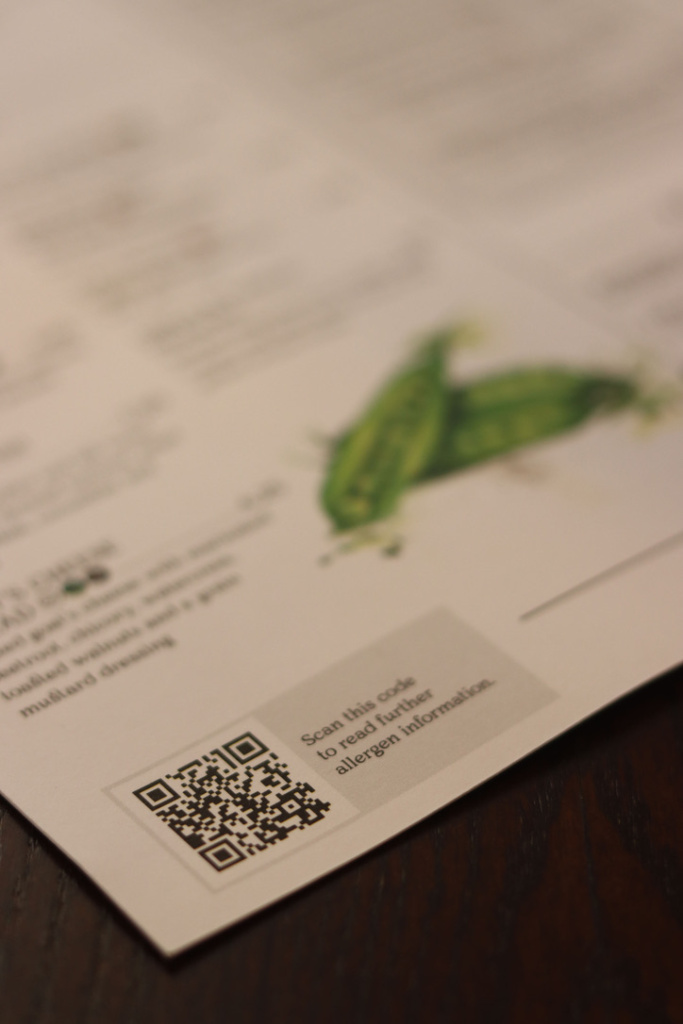
As conversations around allergy safety continue, technology is becoming more common across hospitality environments.
Digital allergen systems, QR codes, ordering platforms, and ingredient databases can all help improve access to information and support consistency.
But it is important that technology does not replace communication between customers and hospitality teams altogether.
For many customers living with allergies, direct conversations with staff remain a vital part of feeling safe and reassured when eating out.
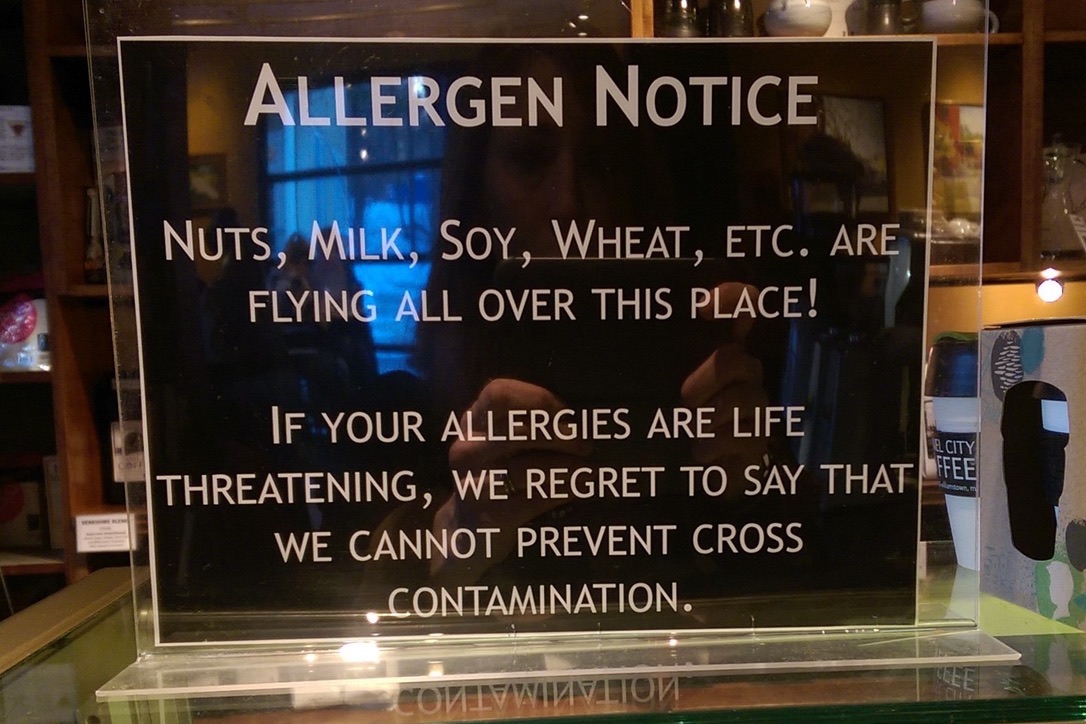
Technology can only reflect the information entered into it. In real hospitality environments, dishes, ingredients, suppliers, and preparation methods can sometimes change quickly during service.
If businesses become overly reliant on systems alone, there is a risk that day-to-day checks and practical allergen awareness could weaken over time.
For example:
- A dish may change slightly during service
- An ingredient substitution may not be updated immediately
- Temporary staff may rely on outdated information
- Assumptions may be made that systems are always fully accurate
Technology can be a valuable tool, but it works best alongside strong communication, practical training, and clear operational processes.
The Opportunity for Hospitality Businesses

The growing focus on allergy safety also creates an opportunity for businesses to review how allergen management works in practice.
In many cases, improving safety is not about introducing more complicated systems.
Sometimes it is about:
- Simplifying communication
- Improving staff confidence
- Creating clearer workflows
- Making procedures easier to follow during real service
At Allergy Companions, much of our work involves helping hospitality businesses review allergen procedures, identify operational gaps, and create practical training that reflects real working environments.
Final Thoughts
Whether Owen’s Law progresses into formal legislation or not, expectations around allergy safety in hospitality are clearly evolving.
Customers increasingly want reassurance that businesses take allergy management seriously and have systems that staff can apply confidently during busy service.
Practical training, strong communication, and realistic procedures will continue to play an important role in helping hospitality businesses create safer experiences for both customers and teams.