Why Practical Allergen Training Matters in Hospitality — And How We Can Help
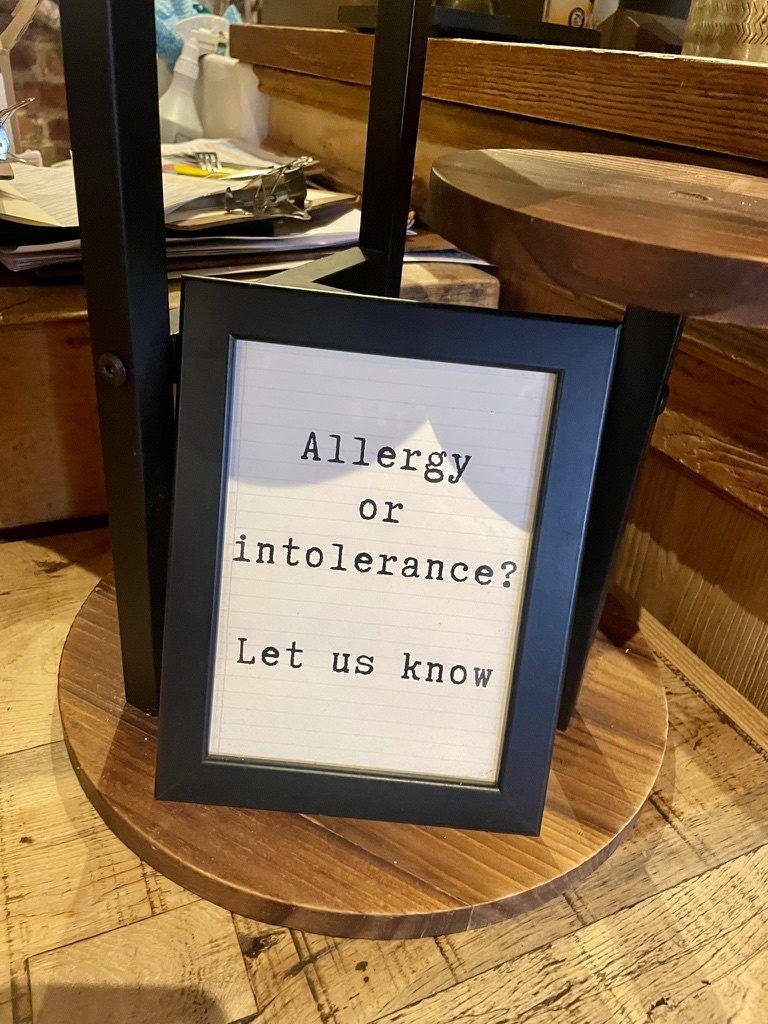
For customers living with allergies, eating out often comes with anxiety.
They are placing a huge amount of trust in hospitality businesses — trust that staff understand allergens, communicate clearly, and follow safe procedures during busy service.
Most hospitality teams genuinely want to get this right. But in real working environments, allergen management is not always straightforward.
The Challenge During Busy Service
On paper, allergen procedures can seem simple. In reality, hospitality environments are fast-moving and high-pressure.
During service:
- Ingredients may change
- Communication can become rushed
- Temporary staff may cover shifts
- Teams may make assumptions instead of double-checking information
Even businesses with allergen policies in place can struggle if procedures are unclear or difficult to follow consistently during busy periods.
A written policy sitting in a folder is very different from handling a live allergy request on a packed Saturday evening.
Why Mistakes Sometimes Happen
When allergen incidents happen, it is easy to assume someone simply was not careful enough.
But often, mistakes are linked to unclear systems or training that does not reflect real service conditions.
Staff may feel unsure about:
- Who is responsible for confirming allergen information
- How requests should be communicated between teams
- What steps reduce cross-contamination
- When they should stop and double-check something
In busy hospitality environments, unclear communication and inconsistent processes can quickly increase risk.
Creating safer environments is not about blaming staff. It is about making sure teams have practical systems and training they can follow confidently during real service.
Why Practical Training Works Better
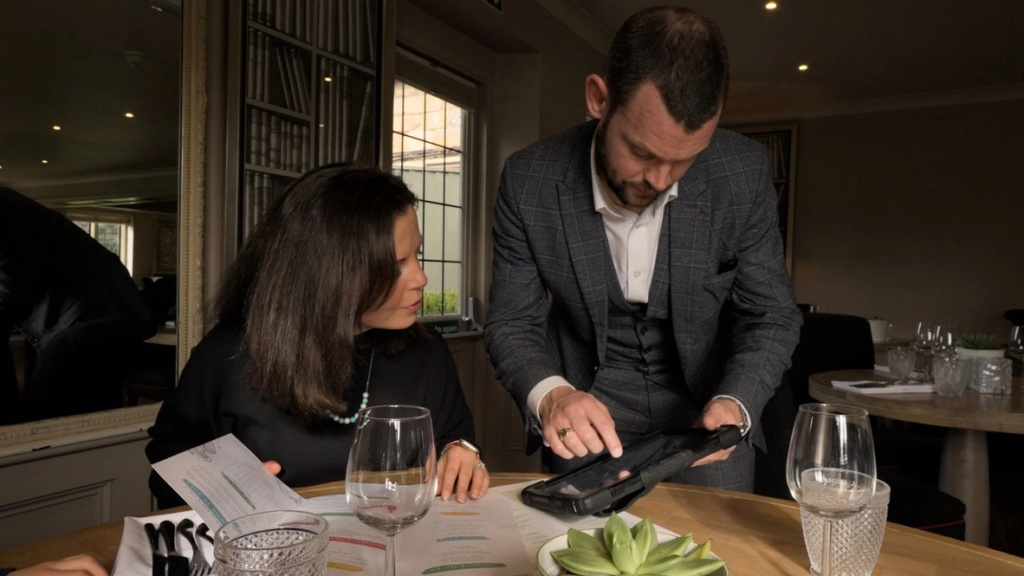
Long policy documents and generic online training are often difficult for busy teams to absorb and apply.
Practical, visual training is often far more effective.
When staff can clearly see:
- How procedures work
- How communication should happen
- What safe preparation looks like
- How to respond to allergy requests
They are far more likely to apply those processes consistently during service.
Sometimes simplifying procedures and improving communication can make the biggest difference.
Every Hospitality Business Is Different
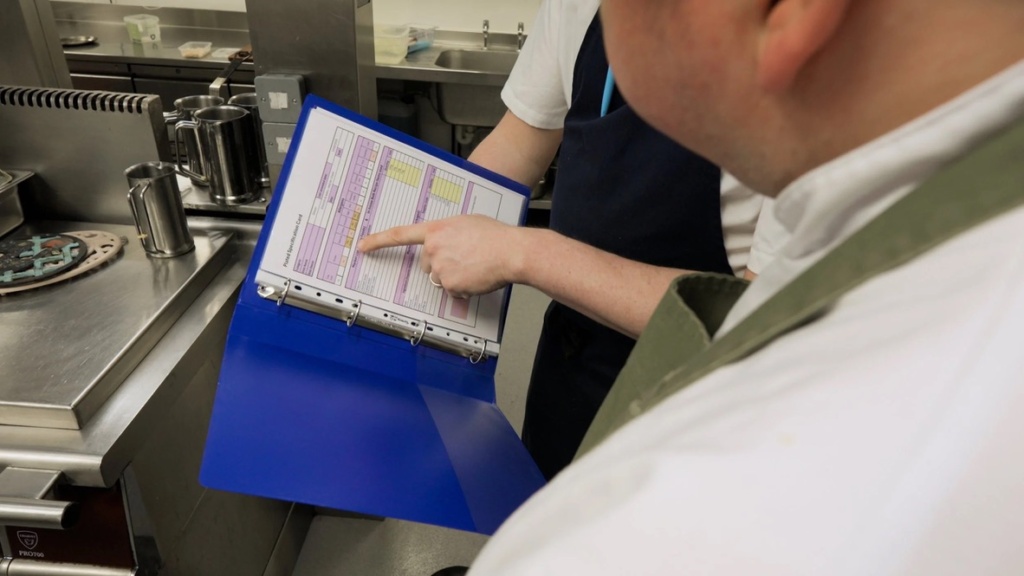
A café, hotel, restaurant, stadium, or catering company all operate differently.
That is why allergen management should reflect how a business actually works day to day, rather than relying on generic processes that may not fit real operations.
At Allergy Companions, much of our work involves helping hospitality businesses review allergen procedures, identify operational gaps, and turn complex policies into practical, easy-to-follow training for staff.
This can include:
- Reviewing allergen processes
- Improving communication workflows
- Simplifying procedures
- Creating visual guidance
- Turning written documents into accessible training videos
Final Thoughts
Most hospitality teams want to get allergen safety right. But when processes are unclear or difficult to apply during busy service, mistakes become more likely.
Practical allergen training is not about blame — it is about helping teams feel confident, improving communication, and creating systems that work in real hospitality environments.
We’ve worked with a range of hospitality and food service businesses, helping teams create clearer, more practical approaches to allergen safety that work during real day-to-day service.
If you would like to find out more about how we can support your business, you can get in touch here: