Has "May Contain" Labelling Lost Its Meaning? | Precautionary Allergen Labelling Explained | Allergy Companions
By Liljia Polo-Richards
For people living with food allergies, a trip to the supermarket often involves far more than choosing what to eat. Every purchase requires an assessment of risk, with food labels playing a critical role in helping consumers make safe decisions.
One of the most common and, arguably, most misunderstood pieces of information on food packaging is precautionary allergen labelling (PAL). Whether it appears as “may contain nuts”, “made in a factory that handles milk” or “produced on equipment that also processes sesame”, these statements are intended to alert consumers to the possibility of unintended allergen presence resulting from cross-contamination during production.
Recent commentary in The Grocer described precautionary allergen labelling as the “wild west” of food labelling, highlighting concerns that many consumers, campaigners and industry professionals have raised for years. While precautionary warnings undoubtedly play an important role in consumer safety, questions remain about whether the current system provides the clarity and consistency that people living with food allergies need.
A System Built on Good Intentions
The principle behind precautionary allergen labelling is straightforward. Food manufacturers cannot eliminate every risk of cross-contamination, and where there is a genuine possibility that an allergen may be unintentionally present, consumers should be informed.
The Food Standards Agency (FSA) has consistently emphasised that precautionary allergen labelling should only be used following a thorough risk assessment and where the risk cannot be adequately controlled through manufacturing processes. In theory, this should ensure that warnings are meaningful and proportionate to the risk presented.
In practice, however, the situation is often less straightforward. Because businesses are responsible for carrying out their own risk assessments, similar products can carry very different allergen statements despite being produced under comparable conditions. This can leave consumers trying to interpret not only the warning itself, but also the level of risk that sits behind it.
The result is a system that relies heavily on individual judgement, both from manufacturers applying the warnings and from consumers attempting to understand them.
Lost in Translation
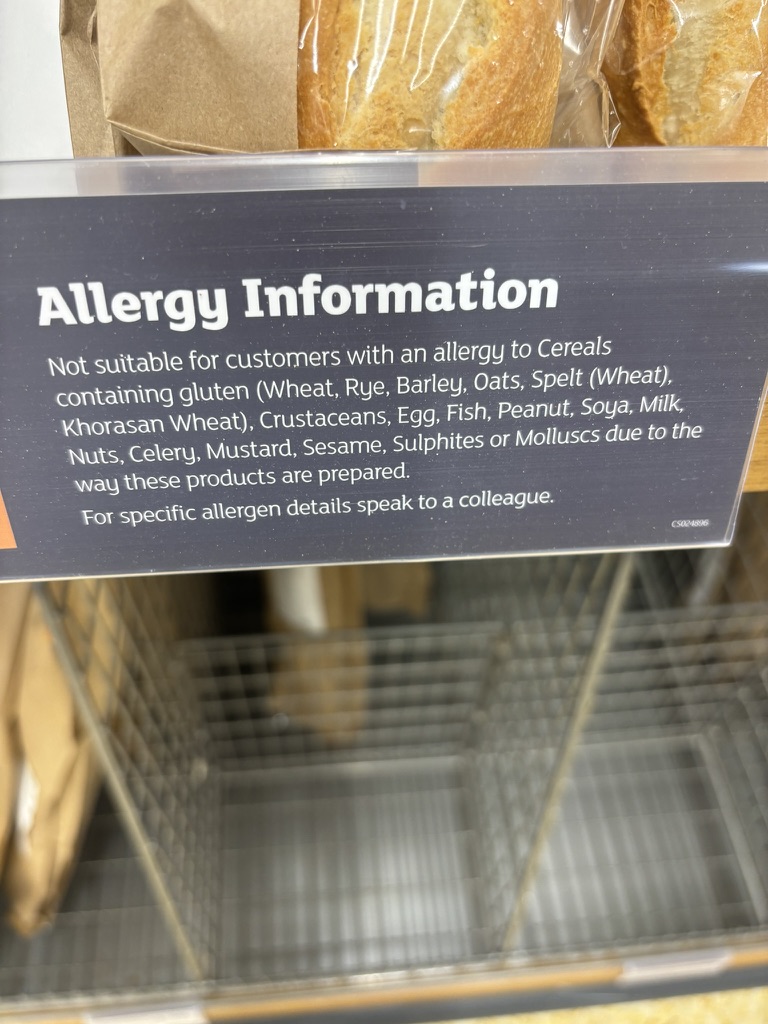
One of the biggest challenges facing consumers today is the lack of consistency in the language used.
Walk through any supermarket and it is common to see a range of statements including “may contain”, “may contain traces of”, “made in a factory handling”, “produced on shared equipment” or “not suitable for allergy sufferers”. To the average consumer, these statements appear to suggest different levels of risk. Yet there is often little information available to explain what those differences actually mean in practice.
For many families managing food allergies, this creates a difficult dilemma. Is a product labelled “made in a factory that handles nuts” safer than one labelled “may contain nuts”? Does shared equipment represent a greater risk than a shared production facility? Is one manufacturer simply being more cautious than another?
The reality is that consumers are often left to make these judgements themselves. Rather than providing certainty, the variety of wording can create confusion and undermine confidence in the information being provided. This is particularly concerning when the purpose of allergen labelling is to support informed decision-making.
A warning can only be effective if the person reading it understands what it means.
When Every Product Carries a Warning
The widespread use of precautionary allergen labelling has created another challenge.
For some consumers, allergen warnings have become so commonplace that they appear on a significant proportion of products within certain categories. While the intention is to provide protection, there is a risk that excessive or inconsistent use of precautionary statements may reduce their effectiveness over time.
Many people living with food allergies find themselves taking one of three approaches. Some avoid any product carrying a precautionary warning. Others contact manufacturers directly to seek clarification. A third group makes their own assessment of the wording and decides whether the perceived risk is acceptable.
None of these outcomes are ideal.
Avoiding products unnecessarily can significantly restrict food choice and quality of life. Contacting manufacturers requires time and effort that many consumers simply do not have. Relying on individual interpretation means consumers are effectively carrying out their own risk assessments, often without access to the information needed to make fully informed decisions.
This is why the current debate around precautionary allergen labelling extends beyond the wording on the pack. At its heart, it is a discussion about trust.
Recent developments: towards a more consistent approach?
While precautionary allergen labelling remains voluntary, there are signs that a more consistent approach may be on the horizon.
In December 2025, the Food Standards Agency (FSA) Board supported proposals being developed through Codex Alimentarius on precautionary allergen labelling (PAL) and recommended establishing a baseline approach for PAL in the UK. This reflects growing recognition that consumers are often faced with a range of precautionary statements, including “may contain”, “made in a factory handling nuts” and “produced on equipment that also processes nuts”, which can be difficult to interpret consistently.
Many consumers assume these statements represent different levels of risk. However, the way precautionary allergen statements are applied can vary between manufacturers, making it challenging for individuals with food allergies and their families to make informed decisions.
The Codex proposals include the use of allergen thresholds and reference doses, including ED05 values, to help determine when precautionary allergen labelling is appropriate. The aim is to move towards a more evidence-based and harmonised approach, ensuring that PAL is used where there is a genuine risk of unintended allergen presence and avoiding unnecessary warnings that can limit food choices.
For consumers, greater consistency in precautionary allergen labelling could improve understanding, increase confidence in food choices and make it easier to compare products across different brands. While any changes will take time to develop and implement, they represent an important step towards clearer and more meaningful allergen information.
Building a System Consumers Can Trust
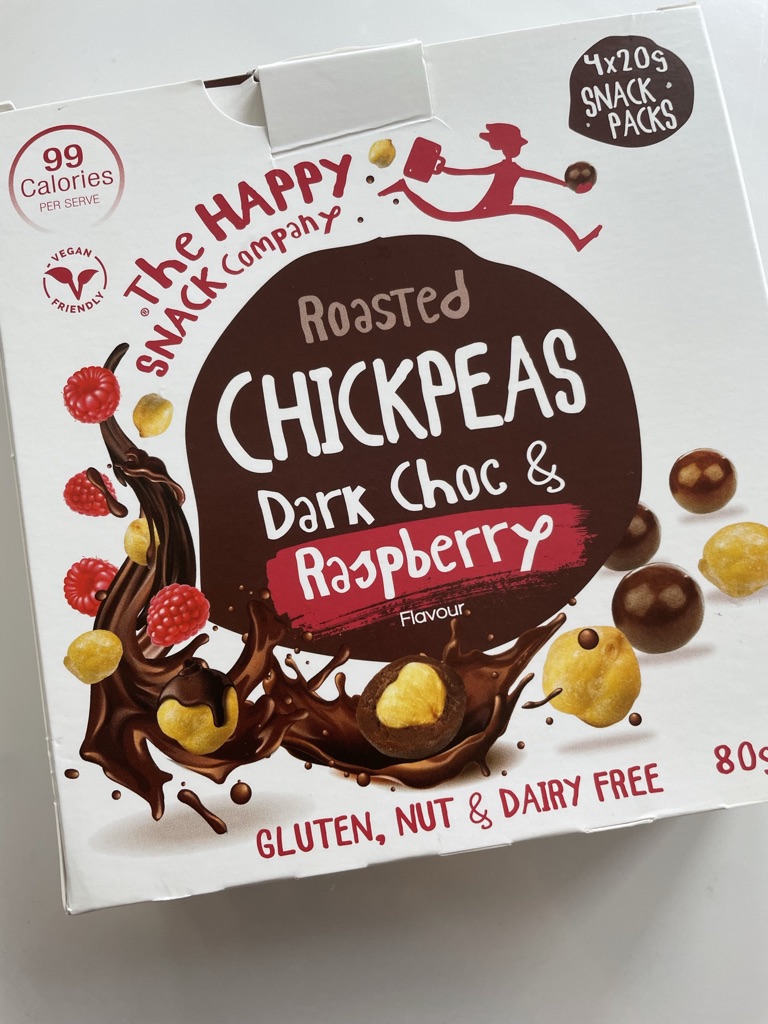
Ultimately, the purpose of allergen labelling is not simply to transfer information from manufacturer to consumer. It is to help people make safe and informed decisions about the food they eat.
People living with food allergies do not need more warnings for the sake of warnings. They need information that is clear, consistent and proportionate to the risk involved. They need confidence that the same statement means the same thing regardless of which product they are holding.
The concerns highlighted by The Grocer, alongside the ongoing work being undertaken by the FSA and international regulatory bodies, demonstrate that there is growing recognition that the current system can be improved. In December 2025, the FSA Board supported Codex proposals on precautionary allergen labelling and recommended establishing a baseline approach for PAL in the UK. This signals an important step towards greater consistency in both the application and wording of precautionary allergen labelling, benefiting not only consumers but also manufacturers and retailers striving to communicate risk responsibly.
The challenge now is to create a system that maintains consumer safety while improving understanding and trust. Because when someone picks up a product carrying a precautionary allergen warning, the question should not be “What does this label really mean?”
The label itself should provide the answer.
References and Further Reading
- The Grocer – May contain warnings: are the wild west of food labelling?
https://www.thegrocer.co.uk/comment-and-opinion/may-contain-warnings-are-the-wild-west-of-food-labelling/718060.article - Food Standards Agency (FSA) – Precautionary Allergen Labelling and Allergen Thresholds
https://www.food.gov.uk/board-papers/precautionary-allergen-labelling-and-allergen-thresholds - Food Standards Agency (FSA) – Precautionary Allergen Labelling Guidance for Food Businesses
https://www.food.gov.uk/business-guidance/precautionary-allergen-labelling - Food Standards Agency (FSA) – FSA Position on the Codex Precautionary Allergen Labelling Standard Including Allergen Thresholds
https://www.food.gov.uk/board-papers/fsa-position-on-the-codex-precautionary-allergen-labelling-standard-including-allergen-thresholds - Committee on Toxicity (COT) – Assessment of the Codex Report on Food Allergen Thresholds
https://cot.food.gov.uk/Assessment%20of%20the%20Codex%20report%20on%20food%20allergen%20thresholds - Anaphylaxis UK – Implementing Threshold-Based Precautionary Allergen Labelling in the UK Food Industry
https://www.anaphylaxis.org.uk/my-account/media-centre/membership-news/implementing-threshold-based-precautionary-allergen-labelling/